Advancing innovative therapies to strengthen bones and improve the lives of patients with Osteogenesis Imperfecta
We are developing the first disease-modifying therapy for osteogenesis imperfecta that targets bone material quality, not just bone density. Osteogenesis imperfecta (OI) affects an estimated 1 in 15,000 children worldwide. Despite decades of research, no approved treatment addresses the root cause of bone fragility: defective collagen architecture. Children with OI endure repeated fractures, progressive skeletal deformities, and chronic pain with no curative option available today.
Kolathera's lead program enhances enzymatic cross-linking of bone collagen, directly improving the intrinsic toughness and resilience of the bone matrix. By acting at the material level, we aim to reduce fracture frequency and halt skeletal deformation offering a fundamentally new mechanism of action in a field where unmet need remains profound.
Osteogenesis imperfecta
The disease
Osteogenesis imperfecta (OI), also known as brittle bone disease, is a rare genetic disorder characterized by bones that fracture easily, often with minimal or no apparent trauma. OI is caused primarily by mutations in the genes encoding type I collagen, the principal structural protein of bone, leading to defects in both collagen quantity and quality.
Epidemiology
OI affects approximately 1 in 15,000 individuals globally, with an estimated 500,000 people living with the condition worldwide. It occurs across all ethnic groups and is present from birth, though severity varies widely. The most severe forms are lethal in the perinatal period; moderate forms result in hundreds of fractures over a lifetime.
Symptoms and classification
The clinical spectrum ranges from mild (occasional fractures, near-normal life expectancy) to severe (extreme fragility, progressive skeletal deformity, short stature, and significant disability). The Sillence classification describes four major types (I–IV), with additional subtypes identified in recent years based on molecular and histological criteria. Common features include:
- Long bone fractures, often occurring during normal daily activities
- Progressive bowing and angulation of the femur and tibia
- Vertebral compression fractures and scoliosis
- Blue sclerae, dentinogenesis imperfecta, and hearing loss in some types
Unmet medical need
The current standard of care relies on bisphosphonates, agents that reduce bone resorption but do not correct the underlying collagen defect. While bisphosphonates can modestly increase bone mineral density, they have limited impact on fracture reduction in several OI subtypes and do not improve bone material quality. No treatment currently approved targets the intrinsic fragility of the bone matrix.
Impact on patients and families
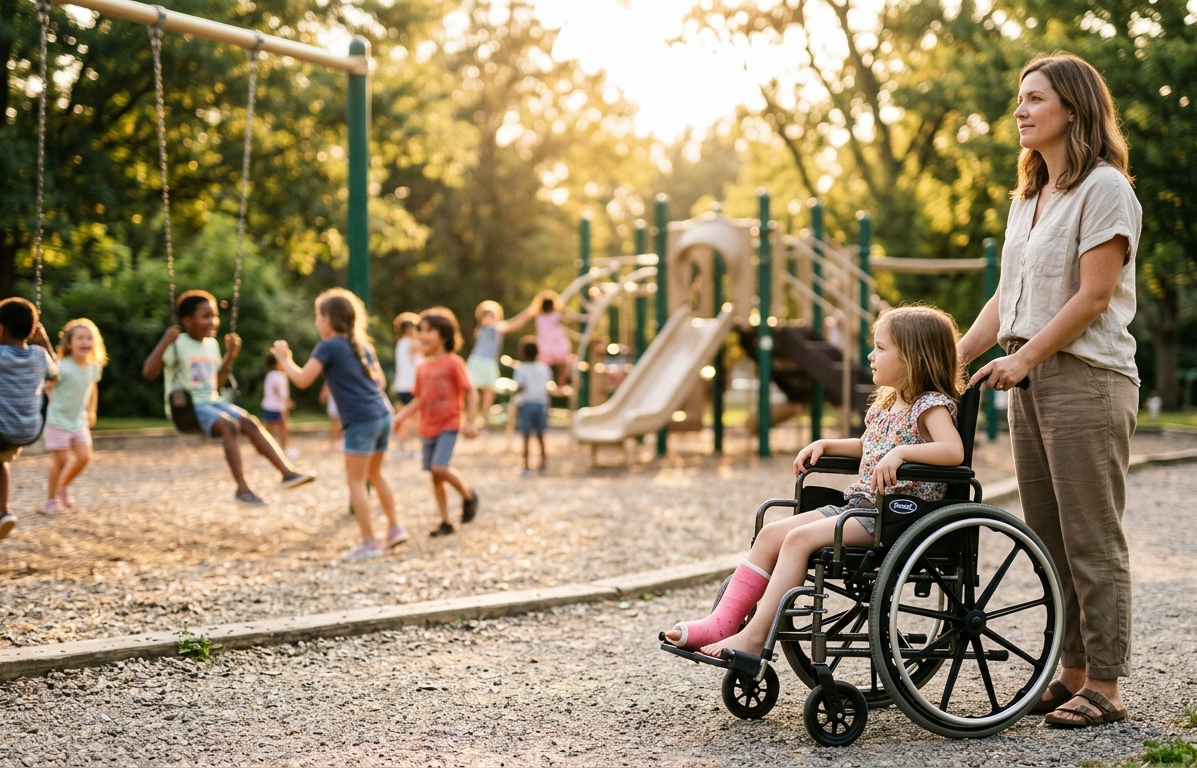
Beyond the physical burden, OI carries a profound psychological and social cost. Children face repeated hospitalizations, prolonged immobility, and restricted participation in normal childhood activities. Families navigate complex multidisciplinary care, limited specialist access, and a near-total absence of curative perspectives. Kolathera was founded with these patients in mind.